Farmhouses and Farmsteads of the Lys Valley: Discovering a Living Heritage of History, Character and Country Life
“Some homes captivate us with their architecture. Others with their location. Then there are traditional farmhouses. They tell a story before we even step through the gate.”
As a local property adviser working in the Lys Valley, with a particular passion for traditional farmhouses, I am fortunate to visit them regularly. Behind each gate, cobbled courtyard or old barn lies a different story.
Today, these properties appeal to heritage enthusiasts, families looking for more space and buyers with a project in mind. Yet their origins, distinctive features and individual histories are often less familiar.
Join me in discovering this remarkable part of our local heritage.
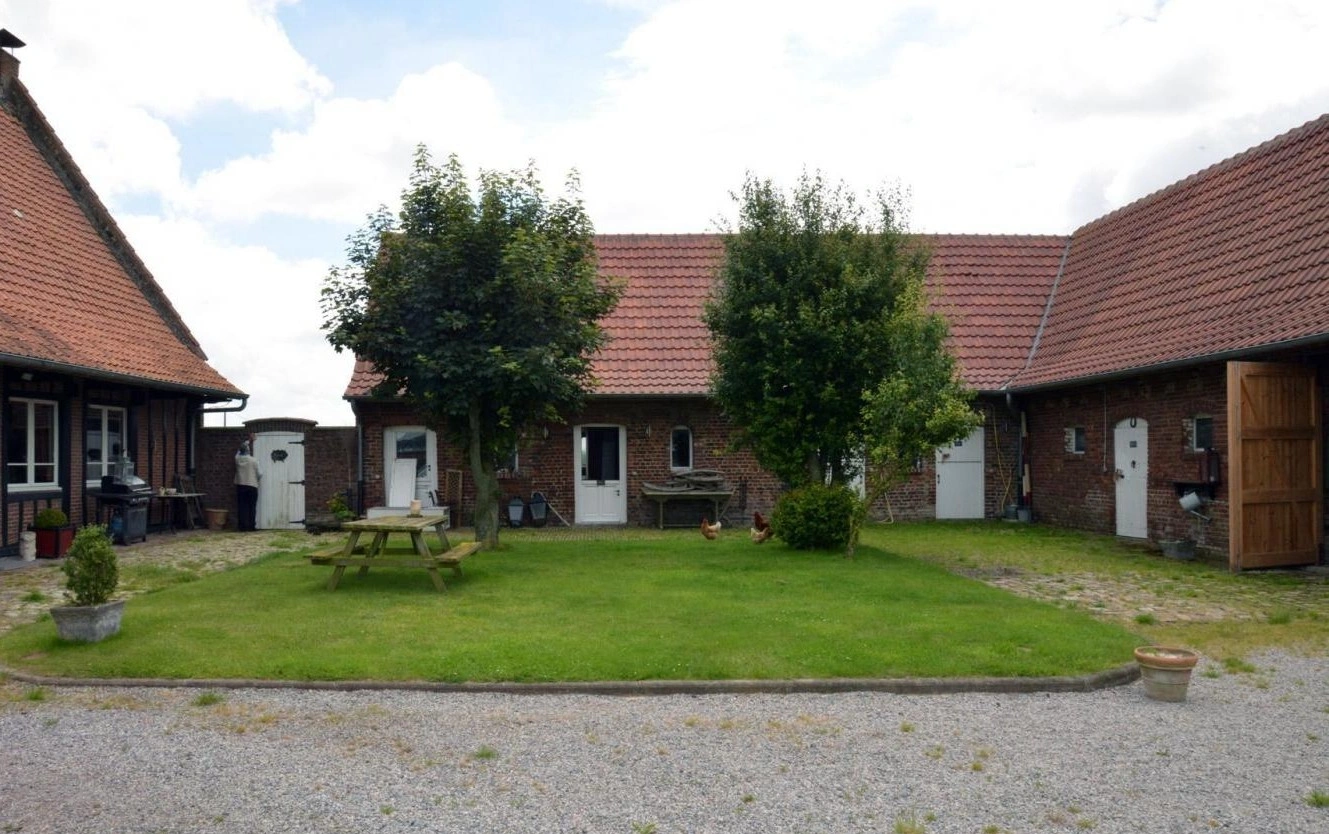
View a traditional farmhouse in Haverskerque
A Landscape Shaped by Centuries of Farming
The Lys Valley and the surrounding areas of inland Flanders and Artois have a distinctive rural landscape.
Around Hazebrouck, Haverskerque, Merville, Morbecque, Saint-Venant, Estaires, La Gorgue, Lestrem, Wallon-Cappel, Bailleul, Steenwerck, Blaringhem, Aire-sur-la-Lys and Lillers, farming has shaped the countryside for centuries.
The River Lys, the many local streams known as becques, wet meadows and fertile soils have all influenced how the land was used.
For generations, farms combined family life with agricultural work. Depending on the holding, they grew crops, raised livestock and produced some of the food consumed by the household.
A farm was a home, a workplace and a family asset, often passed from one generation to the next.
Even today, visits to former farms reveal traces of this history: an old stone trough, a stable door, traditional roof timbers or a barn that once stored decades of harvests.
Why Do Northern France’s Farmhouses Have So Much Character?
Traditional farmhouses were shaped above all by practical needs.
Their layout reflected the work carried out on the farm, access requirements, local conditions and the need to shelter people, animals and stored produce.
Buildings arranged around a courtyard could provide protection from the wind while keeping different activities close together.
Materials also reflected local resources and building traditions. Red brick is a familiar feature of many farmhouses in the area, alongside timber roof structures and clay roof tiles.
Some properties retain substantial masonry walls and impressive old beams. Their dimensions, timber species and condition vary according to the building’s age, construction and alterations.
These surviving details contribute greatly to their appeal. They reveal the skill of the people who built, maintained and adapted them over time.
Different Farmstead Layouts
Several layouts can be found across our area.
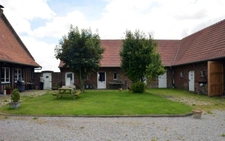
One familiar arrangement is the U-shaped farmstead, with buildings surrounding three sides of a courtyard. This brings the farmhouse and working buildings together around a sheltered central space.
Another is the enclosed courtyard farmstead, sometimes described in French as a ferme au carré. Its buildings and boundary walls form an enclosed group around the main courtyard.
Smaller holdings may have an L-shaped layout or simply a farmhouse accompanied by a barn and other outbuildings.
Each arrangement reflects the history of the holding, its agricultural activities and the changes made by successive owners.
Materials and Details That Have Survived Through Time
When visiting a traditional Flemish farmhouse, certain features immediately catch the eye:
Red brickwork.
Old timber beams.
Wooden lintels.
Terracotta floor tiles.
Large cart entrances.
Original feeding troughs.
Cobbled courtyards.
Outbuildings.
Barns with generous internal volumes.
Not every farmhouse retains all these features. Where they survive, however, they can give a property a strong identity and appeal to buyers who appreciate traditional buildings.
Why Are Farmhouses So Appealing Today?
Many buyers are looking for more than additional bedrooms.
Working from home, spending more time outdoors, welcoming family and friends or developing a personal project can all influence the search for a property.
A former barn might offer space for a workshop. An old stable might become an office. An outbuilding might lend itself to holiday accommodation.
These possibilities depend on the building’s condition, local planning rules and the necessary permissions. Converting an agricultural building into accommodation is not automatically permitted.
A pasture may offer room for horses, where the land and facilities are suitable, or simply provide an open view across the countryside.
The appeal of a farmhouse often lies in this flexibility. It can offer space to imagine a different way of living, provided the project is technically and legally achievable.
A Variety of Local Settings
The appeal of these properties also comes from their surroundings.
Around Haverskerque, Merville, Morbecque and Saint-Venant, buyers can discover former farms set among pastures, cultivated fields and country lanes.
Towards Bailleul and Steenwerck, traditional Flemish architectural features contribute to the character of the rural landscape.
Around Aire-sur-la-Lys, Lillers and the neighbouring villages, former agricultural properties offer a range of layouts, building sizes and settings.
Rather than assigning one type of farmhouse to each village, it is worth looking at every property individually. Its history, land, courtyard and relationship with the surrounding countryside make it distinctive.
This variety is part of the richness of our area.
Buying a Farmhouse Requires Careful Assessment
An attractive façade is only the starting point.
Before buying, several aspects deserve close attention:
Roof timbers and structural condition.
Roof coverings.
The condition of barns and outbuildings.
Foundations and any signs of movement.
Damp and ventilation.
Drainage and wastewater treatment.
Water, electricity and other services.
Energy performance and potential renovation costs.
The feasibility of proposed conversions.
Planning rules and relevant permissions.
The immediate surroundings and exposure to natural hazards, including flooding where relevant.
A farmhouse purchase often represents a substantial lifestyle project.
A property adviser familiar with this type of home can help buyers identify the questions to ask. Depending on the property and intended works, assessments by qualified building professionals may also be needed.
My Project: Sharing the Farmhouses of Inland Flanders
Over recent months, I have had the opportunity to take part in a television report about property hunting, featuring farmhouses in our area. Filming has now been completed.
This experience reflects a subject particularly close to my heart: helping people discover these properties and understand what makes them special.
Their appeal extends beyond their appearance.
I want to share their stories, highlight the care their owners have invested in them and explain the features that give them their authenticity.
Our area has a remarkable rural heritage, from Hazebrouck, Haverskerque, Merville and Morbecque to Saint-Venant, Bailleul, Estaires, La Gorgue, Lestrem, Wallon-Cappel, Aire-sur-la-Lys and the surrounding villages.
Behind many farmhouses lies a family story. Every new property project offers the chance to begin another chapter.
Do You Own a Traditional Farmhouse?
Whether your property is built in brick or stone, arranged around an enclosed courtyard, accompanied by an old barn or surrounded by pasture, it has its own story.
I would be delighted to hear about its history, understand how it has evolved and discuss your plans, whether you are considering selling or simply wish to share the heritage of your home.
With your agreement, its story could also contribute to future content celebrating the farmhouses of the Lys Valley and the surrounding area.
Helping owners pass on these homes, and sharing the heritage they represent, is a part of my work that I particularly value.